

Why Pickled Foods Are the Non-Negotiable Powerhouses Your Gut Demands
- AI it News

- Nov 9, 2025
- 7 min read
The Ancient Secret to Optimal Health

Pickles. The word often conjures images of crunchy dill spears pulled from a roadside jar, or perhaps the sharpness of sauerkraut piled high on a hot dog. For many, pickled foods are a nostalgic condiment, a flavourful afterthought. But what if we told you that these briny, tangy treats are not merely accessories to your meals, but one of the most powerful, historically essential, and scientifically validated health tools available to you?
In the modern wellness landscape, we constantly chase exotic superfoods, high-tech supplements, and complicated detoxification protocols. Yet, the answer to foundational health—vibrant immunity, sharp cognition, and robust digestion—has been stored right there, bubbling gently in a simple glass jar, for millennia.
This is not a trend; this is a tradition. This is the persuasive argument for bringing true, naturally fermented, pickled foods back to the centre of your plate. Forget the old myths about excessive salt or acidic risks; when prepared correctly, pickled foods are the cornerstone of a balanced, thriving internal ecosystem.
Part I: The Essential Distinction – Fermented vs. Quick-Pickled
The first step in appreciating the health benefits of pickled food is understanding that not all pickles are created equal. The shelf-stable, bright green pickles found lining the unrefrigerated aisles of the grocery store are often quick-pickled, meaning they are preserved using vinegar, heat, and sometimes stabilizers. These are delicious and low-calorie, but they are not the subject of our discussion regarding therapeutic benefits.
Our focus is on fermented foods—those preserved using a simple brine (salt and water) that encourages the growth of beneficial bacteria, a process known as lacto-fermentation.
The Alchemy of the Brine
Fermentation is a natural, biological process where microorganisms (primarily Lactic Acid Bacteria, or LAB) consume the sugars and starches present in the vegetables and convert them into lactic acid. This process acts as a natural preservative, gives the food its unique tang, and, crucially, creates enormous health benefits.
This transformation is more than just preservation; it’s nutritional alchemy.
Part II: The Scientific Mandate – What Fermentation Delivers
The health benefits of fermented pickles stem almost entirely from the resulting bounty of live probiotic cultures. These cultures are the backbone of a healthy microbiome, the complex universe of bacteria, fungi, and viruses that live in your gut.
1. Probiotics: The Architects of Your Inner World
The most direct benefit of eating naturally fermented foods is the massive influx of Lactobacillus and other beneficial bacterial strains. These are not merely temporary guests; they help populate and diversify your existing gut flora, which is increasingly recognized as the master control system for overall health.
Dr. Eleanor Vang, a specialist in nutritional microbiology, emphasizes the sheer power of traditional food sources:
“While supplements offer targeted strains, the complexity and diversity of a naturally fermented food—such as kimchi or genuine sauerkraut—provide a bacterial landscape that often surpasses what can be synthesized in a lab. You’re not just getting a few billion CFUs; you’re consuming a vibrant, synergistic community designed by nature to colonize and thrive.”
This microbial complexity is vital because a diverse gut is a resilient gut.
2. The Immune System’s Foundation
Did you know that approximately 70-80% of your immune tissue resides in your gastrointestinal tract? The state of your gut directly dictates your body's ability to fight off pathogens, manage inflammation, and respond appropriately to environmental stressors.
When you consume fermented pickles, the lactic acid bacteria strengthen the intestinal barrier (the mucosal lining), making it harder for toxins and harmful bacteria to leak into the bloodstream (a condition often called "leaky gut"). A fortified gut lining means a more robust immune response. Regular consumption of fermented foods has been linked to fewer incidences of common seasonal illnesses and a faster recovery time.
3. The Gut-Brain Axis: Pickles for Mental Clarity
One of the most profound discoveries in modern neuroscience is the bidirectional communication highway connecting the gut and the brain: the gut-brain axis. The bacteria in your gut produce thousands of chemical compounds, many of which are neurotransmitters that directly influence mood, stress response, and cognition.
For example, a significant portion of the body’s serotonin—a key neurotransmitter for happiness and well-being—is produced and regulated in the gut. When your microbiome is balanced by the influx of beneficial bacteria from fermented foods, this production system operates more smoothly.
Consuming fermented pickles can, quite literally, make you feel better. Studies have correlated the consumption of probiotic-rich foods with reduced symptoms of anxiety and depression, demonstrating that these ancient foods are essential for modern mental resilience.
4. Enhanced Nutrient Bioavailability
Fermentation is a pre-digestion process. The microorganisms break down complex plant fibers and anti-nutrients (like phytates), making the vitamins and minerals trapped within the food more easily absorbed by the human body.
Consider Vitamin K2, a fat-soluble vitamin crucial for bone health, heart health, and calcium metabolism. While it’s rare in most Western diets, certain strains of bacteria produced during fermentation—especially in sauerkraut—are highly effective at synthesizing Vitamin K2. By simply eating a handful of fermented cabbage, you are enhancing your body’s ability to use other nutrients you consume throughout the day.
Part III: The Global Pantry – Where Pickling Shines

The concept of fermentation is not exclusive to the humble dill pickle; it is a global survival technique that has produced national staple foods, each with unique and powerful health profiles.
Kimchi (Korea)
Perhaps the most famous fermented food today, kimchi is typically made from napa cabbage, radishes, gochutgaru (chili powder), garlic, and ginger. Its complexity offers not just massive amounts of LAB, but also significant amounts of capsaicin (which aids metabolism) and high concentrations of vitamins A and C.
The historical consumption rates of kimchi are staggering, which may partially explain the robust health of populations where it is a daily staple. Kimchi has been specifically studied for its anti-cancer properties and its ability to modulate weight gain.
Sauerkraut (Germany/Eastern Europe)
Sauerkraut, or "sour cabbage," is a potent detoxifier and one of the simplest ferments. Because it is often made from cruciferous vegetables, it retains high amounts of glucosinolates, compounds that are broken down into active anti-cancer agents (isothiocyanates) during the fermentation process.
Furthermore, traditional sauerkraut is an excellent source of dietary fiber, promoting regularity and sustained gut health. It is a powerful testament to the idea that the most basic foods often hold the most complex benefits.
Olives and Capers (Mediterranean)
While sometimes considered simply brine-cured, traditional, unpasteurized olive and caper preparation involves a natural fermentation phase. The resulting olives, particularly those cured in salt and water rather than chemical solutions, contain unique strains of Lactobacillus and high levels of healthy monounsaturated fats.
Part IV: Addressing the Tangy Myths and Misconceptions
Despite the overwhelming evidence, persistent concerns often prevent people from embracing fermented pickles. We must address these head-on.
Myth 1: The Sodium Scapegoat
The biggest concern people have with pickled foods is the high sodium content, necessary for the fermentation process. It is true that fermented foods are salty, but context is critical.
First, the salt is used to create the environment for fermentation, but you don't need to consume the entire brine.
Second, the physiological effects of sodium intake are complex. While excessive sodium can be problematic for hypertension, populations that consume high amounts of naturally fermented foods (like Korea and Japan) often display better overall health outcomes. Some research suggests that the potassium, magnesium, and other elements in the vegetables, combined with the beneficial bacteria, may mitigate some of the negative effects typically associated with high sodium intake from processed junk food.
The key is moderation and sourcing. A small serving (1/4 to 1/2 cup) of fermented food added to a meal provides the necessary probiotic boost without overwhelming the daily sodium limit.
Chef and Integrative Wellness Expert, Anya Sharma, advises on balance:
“We must distinguish between the sodium in a bag of chips and the sodium in a traditional ferment. One is a pure, processed seasoning; the other is the medium for the creation of life-changing microflora. Use the brine sparingly, rinse slightly if necessary, and see it as a tool—not a threat. The benefits far outweigh the risk of moderate, intentional sodium intake.”
Myth 2: The Pasteurized Problem
To reap the rewards discussed here, the food must contain active, living cultures. Many mass-produced pickles, sauerkraut, and kimchi are pasteurized (heated) to extend shelf life and ensure consistency. This heating process, unfortunately, kills the very bacteria that make the food beneficial.
The Rule of Thumb: If the pickled food is sitting on a room-temperature shelf in a plastic jar, it is likely pasteurized. Look exclusively for products found in the refrigerated section of the store, labeled "raw," "unpasteurized," or containing "live active cultures." If the jar is bulging slightly, that's a good sign—it means the bacteria are still active and producing carbon dioxide!
Part V: Making the Shift – Integrating Fermented Power
The beauty of embracing pickled foods is their versatility and ease of integration into your diet. You don't need a massive dietary overhaul; you need strategic additions.
1. The Daily Dose
A small, consistent daily serving is more effective than an occasional binge. Aim for at least one to two tablespoons of a favorite ferment with a primary meal.
Breakfast: Add a spoonful of kimchi or fermented vegetable relish to eggs or avocado toast.
Lunch: Use sauerkraut as a topping instead of traditional condiments on sandwiches or wraps.
Dinner: Serve a side pickle plate with your proteins, or mix fermented cabbage into salads or grain bowls.
2. The Brine as Medicine
Don't discard the liquid! Pickle brine (from genuine ferments, not vinegar pickles) is a fantastic source of electrolytes and the metabolic byproducts of the bacteria (postbiotics).
Many athletes use fermented pickle juice as a natural recovery drink, noting its ability to curb muscle cramps due to its high salt and mineral content, coupled with beneficial bacteria that aid hydration absorption.
3. DIY: Taking Control of Your Gut
The most cost-effective, personalized, and rewarding way to incorporate these foods is to make them yourself. Lacto-fermentation is incredibly simple:
Chop: Shred cabbage or cut vegetables (carrots, radishes, cucumbers).
Brine: Massage the vegetables with the correct percentage of salt (usually 2-3% of the vegetable weight) or cover them with pre-made salt water.
Wait: Pack tightly in a sterile jar, ensuring the vegetables are submerged under the brine, and let it sit at room temperature for 1–3 weeks before moving to refrigeration.
This low-tech process allows you to control the ingredients, the salt level, and the duration of fermentation, tailoring the flavor and strength to your personal preferences.
The Crunch That Changes Everything
We live in a world obsessed with sterility and convenience, often at the expense of our microbial health. In our quest for modern solutions, we have forgotten the simple wisdom of our ancestors, who understood that preservation was inextricably linked to vitality.
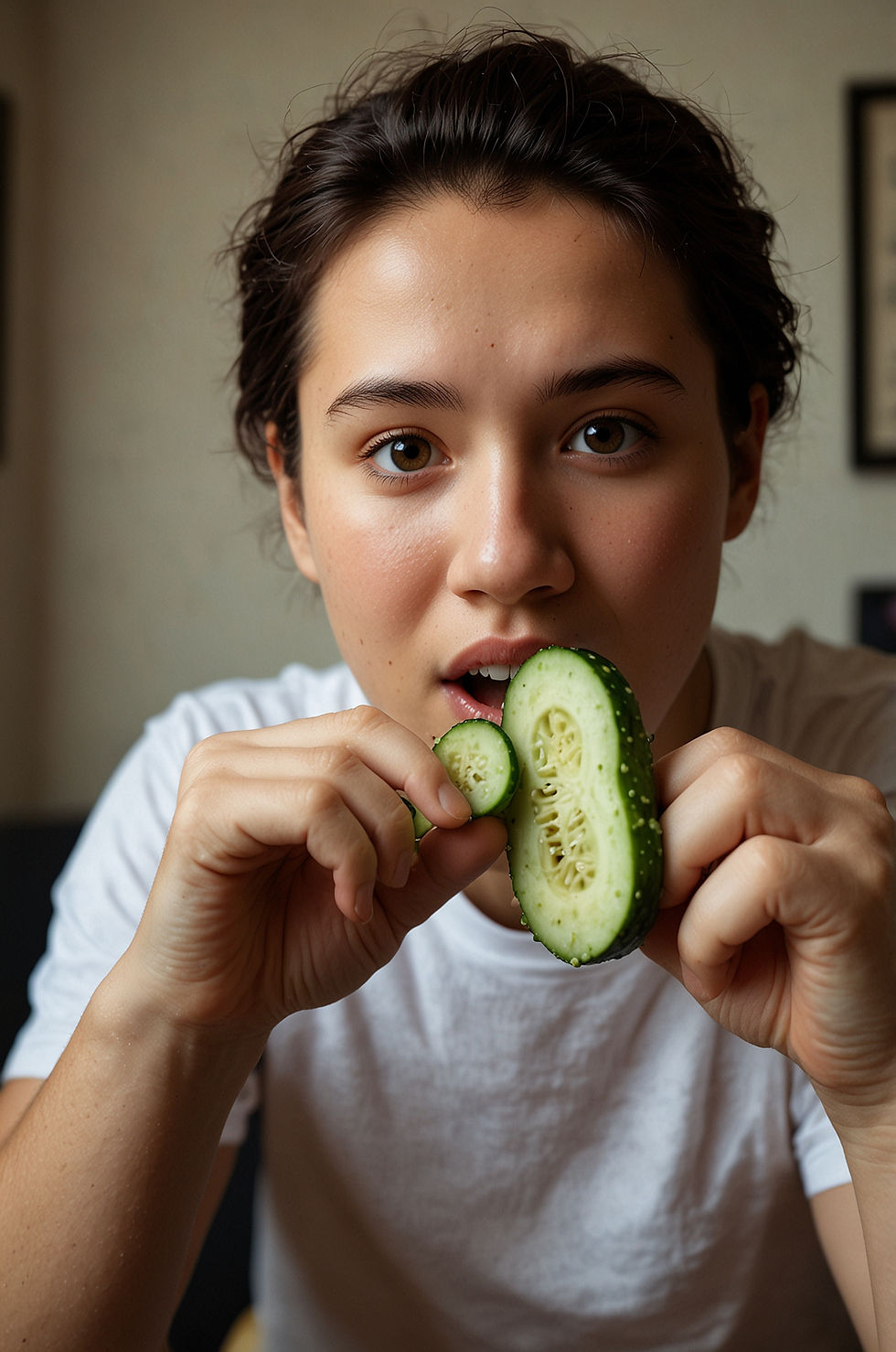
Fermented, pickled foods—from the sharp crunch of a cucumber to the spicy depth of kimchi—are a powerful, approachable, and delicious pathway to foundational health. They are not merely culinary additions; they are preventative medicine, functional food, and the essential fuel for a thriving gut.
The evidence is clear, the tradition is undeniable, and the taste is exceptional. It is time to look past the myths, embrace the tang, and welcome these microbial powerhouses back into our daily diet. Your gut—and your overall well-being—will thank you for the crunch.


Comments