

Unleashing the True Power of the People
- AI it News

- Nov 7, 2025
- 14 min read
When Politicians Become Ancient History
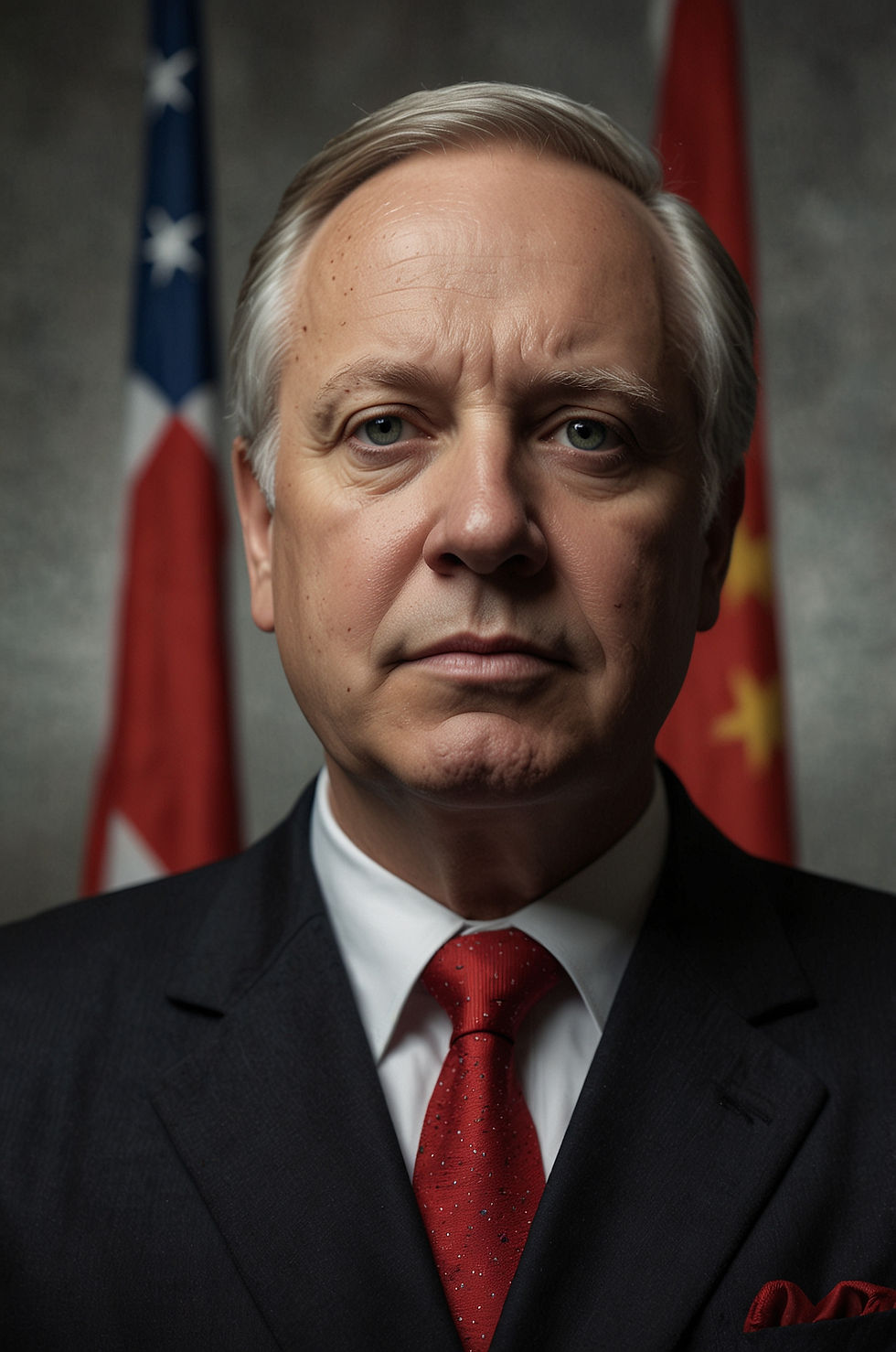
For generations, the structure of our governance has felt almost immutable. We elect representatives, they go to a distant capital, and supposedly, they make decisions in our best interest. This system, forged in an era of horse-drawn carriages and slow communication, has defined our political landscape for centuries. Yet, as the 21st century hurtles forward, a profound question echoes through the halls of our disillusionment: Are politicians, as we know them, becoming ancient history?
The idea might seem radical, even utopian, but it’s a question born of widespread frustration, gridlock, and a growing chasm between the governed and those who govern. What if the solution isn't better politicians, but rather, a fundamental reimagining of power itself? What if the answer lies not in who we send to parliament or congress, but in the collective wisdom, creativity, and commitment of everyday people?
This isn't merely a philosophical exercise; it's an urgent call to action. We stand at a precipice where the complexities of global challenges demand more than partisan squabbles and short-term electoral cycles. It demands people power – a vibrant, engaged, and empowered citizenry capable of shaping its own destiny. This isn't just about protest; it's about participation. It's about shifting from passive recipients of policy to active architects of society.
In the ensuing exploration, we will dissect the inherent limitations of our current political model, illuminate the multifaceted concept of people power, examine its historical roots and modern manifestations, and dare dream of a future where citizens are not just voters, but the very engine of governance. This is not merely a hope; it is a necessity.
The Elephant in the Room: Why the Political Status Quo is Cracking

Let’s be honest: the relationship between citizens and their political leaders is fraught with tension. A quick glance at public opinion polls in virtually any established democracy reveals a consistent trend: plummeting trust, cynicism, and a pervasive sense that the system is rigged. Why this widespread disillusionment?
1. The Illusion of Representation: Our representative democracies, while revolutionary in their time, operate on the premise that a few individuals can effectively represent the myriad interests and perspectives of millions. This is an increasingly untenable burden. As societies grow more diverse and issues more complex, the idea that one person, or even a small group, can truly embody the collective will often feels like a quaint anachronism. Their priorities become skewed, their focus narrowed by the demands of their party or their donors, rather than the true pulse of the populace.
2. The Corrosive Grip of Partisanship: In many nations, political discourse has devolved into an unending ideological battleground. Parties focus more on undermining opponents than on solving problems. Legislation becomes a weapon, compromise a weakness. This zero-sum game creates gridlock, stifles innovation, and often leaves critical issues unaddressed, all while the public watches in exasperation. As the famed American journalist H.L. Mencken wryly observed, "The most dangerous man to any government is the man who is able to think things out for himself, without regard to the prevailing superstitions and taboos." When politicians become slaves to party lines, independent thought and genuine problem-solving become casualties.
3. The Siren Song of Special Interests: Money talks in politics, often louder than the voices of ordinary citizens. Lobbyists, corporations, and wealthy donors wield immense influence, shaping legislation to serve narrow self-interests rather than the broader public good. This creates an uneven playing field, where policies are too often crafted behind closed doors, benefiting the well-connected at the expense of everyone else. The democratic ideal of "one person, one vote" is severely undermined when financial influence can buy disproportionate access and power.
4. A Disconnect from Everyday Realities: Many career politicians, insulated by their positions, salaries, and security details, gradually lose touch with the struggles and aspirations of the average person. Their lives become a bubble, making it increasingly difficult for them to genuinely understand or empathize with the challenges faced by constituents struggling with rising costs, inadequate healthcare, or environmental degradation. They become, in essence, a professional class of rulers, detached from the very people they are meant to serve.
5. The Accountability Deficit: Despite electoral cycles, genuine accountability for poor performance or ethical lapses often feels elusive. Promises are made and broken, scandals erupt and fade, and often, the same faces reappear in new positions of power. This lack of genuine consequence further erodes public trust and fuels the perception that the system protects its own, rather than holding leaders responsible.
Our current political architecture, while once vital, is showing significant cracks under the weight of modern challenges and societal expectations. It's not just failing to inspire; in many cases, it's actively driving alienation. This growing chasm points to an undeniable truth: we need a new paradigm. We need to look beyond the distant halls of power and rediscover the immense, untapped potential within ourselves.7
Defining "People Power": Beyond the Ballot Box

So, if politicians are becoming anachronistic, what is this "people power" that must rise in their stead? It's far more than just voting, and certainly more than simply complaining. People power is the collective agency of citizens to directly shape their shared world, moving beyond delegation to active participation, collaboration, and self-governance. It’s about transforming passive recipients of policy into active architects of society.
1. Direct Participation and Deliberation: At its core, people power involves direct engagement. This can manifest in various ways:
Referendums and Initiatives: While often controversial and sometimes manipulated, these mechanisms, when properly designed and informed, allow citizens to directly vote on specific laws or constitutional amendments.
Citizen Assemblies and Juries: Perhaps the most promising model for complex issues, these involve randomly selected groups of ordinary citizens who are provided with balanced information and expert testimony, deliberate over a period, and then make recommendations or decisions. This model taps into collective intelligence and reduces partisan bias.
Popular Assemblies and Forums: Community-level gatherings where people discuss local issues, share ideas, and collaboratively develop solutions, fostering a sense of ownership and shared responsibility.
As the great philosopher John Dewey asserted, "Democracy is not merely a form of government. It is primarily a mode of associated living, of conjoint communicated experience." People power embodies this "associated living," where the act of governance is inseparable from daily life and community interaction.
2. Localism and Community Governance: Many of the most effective manifestations of people power begin at the local level. Communities are best positioned to understand their unique needs, challenges, and opportunities.
Participatory Budgeting: Citizens directly decide how a portion of a public budget is spent, leading to more responsive infrastructure and services.
Community Land Trusts and Co-operatives: Local residents collectively own and manage resources like housing, businesses, or renewable energy projects, ensuring they serve community needs rather than private profit.
Neighbourhood Councils and Local Forums: Formal or informal groups that provide direct input on urban planning, public safety, and local service delivery.
3. Collaborative Problem Solving: People power shifts the focus from adversarial politics to collaborative problem-solving. This means bringing diverse stakeholders together – residents, businesses, local organizations, experts – to identify challenges, brainstorm solutions, and implement projects. It prioritizes consensus-building and practical outcomes over entrenched ideological positions.
4. Technological Empowerment: The digital age offers unprecedented tools for fostering people power.
E-petitions and Digital Referendums: Tools for gauging public sentiment and initiating policy discussions.
Open Data and Transparency Platforms: Empower citizens with information, allowing them to monitor government activities, identify inefficiencies, and hold institutions accountable.
Crowdsourcing and Deliberation Platforms: Online tools that facilitate wide-scale input on policy proposals, collect expert opinions, and foster informed debate.
People power is fundamentally about reclaiming agency. It’s about recognizing that the solutions to our most pressing problems reside not in the hands of a select few, but in the collective capacity of an informed, engaged, and empowered citizenry. It is the practical application of Margaret Mead's timeless wisdom: "Never doubt that a small group of thoughtful, committed citizens can change the world; indeed, it's the only thing that ever has."
Echoes from the Past, Visions for the Future: Historical & Modern Manifestations

The idea of people directly governing themselves isn't new; it's arguably the foundational impulse of democracy itself. From ancient city-states to modern movements, history is replete with examples, both aspirational and challenging, of people power in action.
1. Ancient Roots: The Athenian Experiment: Perhaps the most famous early example is ancient Athens, where direct democracy flourished for nearly two centuries. Male citizens directly participated in the Assembly, proposing and voting on laws, making executive decisions, and even serving on juries chosen by lot. While limited in its scope (excluding women, slaves, and foreigners), it demonstrated a profound commitment to civic engagement and direct self-rule. It wasn't perfect, but it laid the intellectual groundwork for the very idea that power resides with the people.
2. Indigenous Governance Models: Across diverse cultures, particularly within indigenous communities, forms of deeply participatory and consensual governance have existed for millennia. Many First Nations groups in North America, for instance, operated through councils of elders or clan representatives, with decisions often made through extensive deliberation and consensus-seeking, rather than simple majority rule. These models prioritize harmony, long-term sustainability, and community well-being, offering profound lessons in truly collaborative decision-making.
3. Revolutionary Moments: Throughout history, moments of intense societal upheaval have seen surges of people power. From the sans-culottes of the French Revolution forming popular societies to the workers' councils (soviets) that briefly emerged during the Russian Revolution, these periods often reveal a potent, if sometimes chaotic, desire for direct control over their lives and institutions. The Arab Spring, though complex in its outcomes, was a powerful modern testament to millions rising up to demand change and self-determination, however fleetingly.
4. Modern Local & Deliberative Innovations: While large-scale direct democracy remains challenging, many modern initiatives are demonstrating its practical viability:
Participatory Budgeting: Originating in Porto Alegre, Brazil, this model allows citizens to directly allocate portions of municipal budgets. It has spread to thousands of cities worldwide, leading to more equitable resource distribution and increased civic engagement.
Citizen Assemblies: Countries like Ireland have successfully used citizen assemblies (randomly selected groups of ordinary people) to tackle contentious issues like abortion and climate change. These informed deliberations have often led to more considered, less polarized policy recommendations than those produced by traditional political processes.
Co-operative Movements: From housing co-ops to worker-owned businesses and community energy projects, these structures empower members to collectively own, manage, and benefit from shared resources, demonstrating economic democracy in practice.
Digital Democracy Platforms: Tools like Iceland's crowdsourced constitution initiative or various municipal e-democracy platforms allow citizens to propose ideas, comment on legislation, and provide direct feedback, blurring the lines between representative and direct governance.
These examples reveal that people power is not just a lofty ideal; it's a practical and evolving approach to governance. It learns from history’s successes and failures, adapting to modern contexts, and consistently proving that given the right structures and information, ordinary citizens are capable of extraordinary collective wisdom. "Change does not roll in on the wheels of inevitability," as Martin Luther King Jr. reminded us, "but comes through continuous struggle." The continuous struggle for self-governance is being waged, and won, in countless communities globally.
The Pillars of Developing People Power: How Do We Get There?
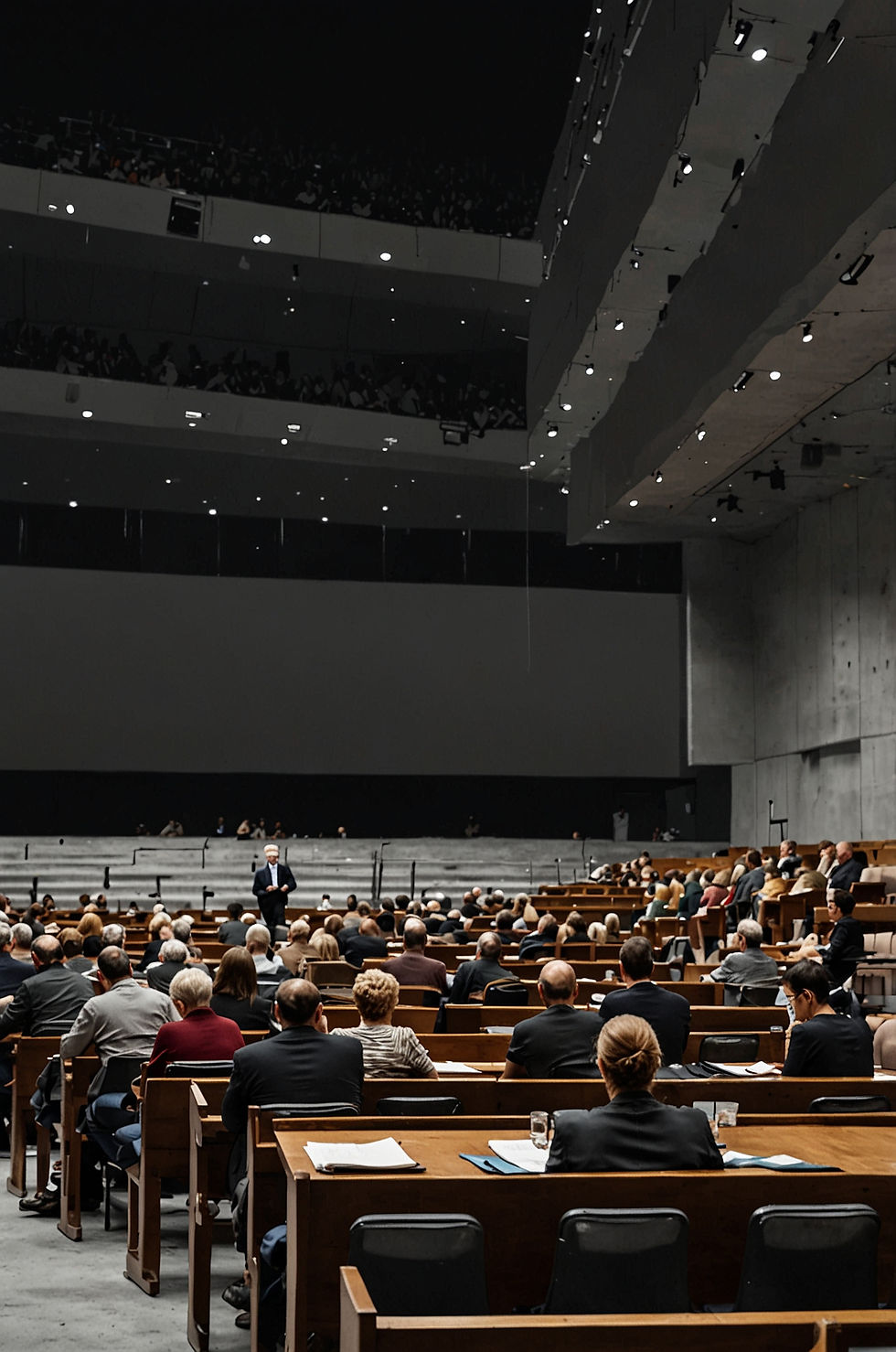
The transition from a system reliant on professional politicians to one driven by people power is not a simple flip of a switch. It requires a fundamental cultural shift, a re-education of ourselves, and the deliberate construction of new frameworks. This is an evolutionary process built upon several crucial pillars:
1. Education for Empowerment: True people power demands an informed citizenry. This isn't just about traditional schooling, but about fostering critical thinking, media literacy, and an understanding of civic processes. We need to equip individuals with the skills to analyse complex information, engage in respectful debate, and understand the implications of policy decisions. Education should foster curiosity, inquiry, and a sense of agency, rather than just rote memorization or passive consumption of information. A well-informed populace is the bedrock of effective self-governance, capable of seeing through rhetoric and demanding accountability, even from themselves.
2. Radical Transparency and Open Information: For people to wield power effectively, they need unhindered access to information. Governments and institutions must commit to radical transparency, making data, budgets, and decision-making processes openly accessible in understandable formats. This breaks down information asymmetry, allowing citizens to monitor, scrutinize, and contribute meaningfully. When information is a public good, rather than a guarded secret, the public's capacity for informed action skyrockets.
3. Cultivating Civic Responsibility and Engagement: The development of people power requires a shift from apathy and consumerism to active civic responsibility. This means fostering a culture where participation is valued, expected, and supported. It involves creating accessible pathways for engagement and celebrating those who contribute to the common good. We must move beyond the notion that civic duty begins and ends at the ballot box every few years. It's an ongoing, active responsibility that enriches both the individual and the community. "We are the ones we have been waiting for," as the Hopi elders' prophecy suggests, reminds us that the impetus for change and action lies within us.
4. Mastering Deliberation and Conflict Resolution: When diverse groups of people come together to make decisions, disagreement is inevitable. For people power to be effective, individuals and communities need to develop strong skills in deliberation, active listening, empathy, and conflict resolution. This means moving beyond adversarial debate to find common ground, build consensus, and understand different perspectives. It requires patience, respect, and a commitment to shared outcomes over individual victories. These skills are not innate but can be learned and nurtured through practice.
5. Designing New Infrastructures for Participation: The old political machinery is designed for delegation, not direct participation. We need to actively design and experiment with new institutional frameworks that facilitate people power. This includes:
Scalable digital platforms for input and deliberation.
Protocols for citizen assemblies and juries to integrate expert knowledge.
Legal frameworks that empower local communities and direct democratic processes.
Funding mechanisms that support citizen-led initiatives rather than politically driven projects.
Building these pillars is an investment in our collective future. It's about dismantling the structures that disempower us and constructing new ones that unleash our full potential for self-governance. It requires courage, foresight, and an unwavering belief in the capacity of ordinary people.
Addressing the Sceptics: Can People Power Truly Work?
The idea of governing without professional politicians often elicits scepticism, and rightly so. Critics raise valid concerns about the practicalities and potential pitfalls of widespread direct governance. Let's address some of the most common challenges:
1. The "Mob Rule" and Tyranny of the Majority: A primary concern is that direct democracy could lead to impulsive decisions, the suppression of minority rights, or a "tyranny of the majority."
Response: This is precisely why "people power" goes beyond simple majority voting. Deliberative processes like citizen assemblies are designed to mitigate this by ensuring deep, informed discussion, diverse perspectives, and a focus on reasoned consensus. Robust constitutional frameworks, human rights charters, and judicial review would still be essential safeguards for minority rights. The goal is not unrestrained majoritarianism, but informed collective intelligence.
2. The Complexity of Modern Issues: Critics argue that complex policy issues (e.g., climate change, economic regulation, international relations) are beyond the grasp of ordinary citizens, requiring expert knowledge and specialized experience.
Response: People power doesn't exclude expertise; it reframes its role. Experts become advisors, educators, and facilitators, informing citizen deliberations rather than making decisions behind closed doors. Citizen assemblies, for example, routinely involve expert presentations and Q&A sessions, allowing citizens to grapple with complexity and make informed judgments. The wisdom of the crowd, when properly informed and structured, can often cut through partisan rhetoric and identify widely acceptable solutions that experts alone might miss.
3. Apathy and Lack of Time: Many people are busy with work, family, and personal lives. How can we expect broad, sustained participation in governance?
Response: This is a legitimate challenge. However, current systems often alienate people, making participation feel pointless. When people see their input genuinely matters and directly impacts their lives, engagement tends to increase. Furthermore, people power doesn't mean everyone participates in every decision. It involves:
Creating diverse avenues for participation (micro-volunteering, digital input, local meetings, citizen assemblies chosen by lot).
Making participation accessible and efficient.
Fostering a culture where civic engagement is seen as a fulfilling and valuable part of life (perhaps even instituting civic service, like jury duty, but for policy deliberation).
Decentralizing decisions so people can focus on issues most relevant to their local context.
4. Coordination and Scalability for Large Nations: How could a nationwide system of people power possibly function in populous countries like the United States or India?
Response: A truly empowered system would likely be highly decentralized and federated. Most decisions would be made at the local or regional level, allowing for direct participation and responsiveness. Larger national issues could be tackled through a system of interconnected citizen assemblies, referendums, or digitally facilitated dialogue that aggregates local insights. Technology, while not a panacea, can bridge geographical divides and facilitate large-scale deliberation and decision-making.
5. The Problem of Funding and Resources: Who funds and organizes these new institutions of people power, especially without existing political parties or state structures?
Response: Funding could come from public budgets (reallocated from existing political apparatuses), philanthropic initiatives, and community fundraising. The cost of running effective deliberative processes is often significantly less than the costs associated with political campaigns, lobbying, and the inefficiencies of partisan gridlock. Furthermore, an engaged citizenry is often more willing to volunteer time and resources for initiatives they genuinely own.
As Thomas Jefferson wisely put it, "Eternal vigilance is the price of liberty." The transition to people power will require constant effort, adaptation, and a willingness to learn from mistakes. It will be imperfect, but its potential to create a more responsive, equitable, and stable society far outweighs the risks of maintaining an increasingly dysfunctional status quo.
The Vision: A World Beyond Professional Politicians

Imagine a world where the word "politician" evokes a historical footnote, much like "town crier" or "switchboard operator." What kind of society would emerge if the reins of power were truly in the hands of the people?
In this vision, the focus of governance shifts dramatically. Instead of endless battles for power, the primary concern becomes collaborative problem-solving. Citizens learn to identify local and global challenges, pool their collective intelligence, and work together to devise sustainable solutions. Public discourse becomes less about demonizing the "other side" and more about understanding diverse perspectives to forge common ground.
Communities would flourish with renewed vitality. Local decisions – from park maintenance to zoning laws, from education curricula to public safety initiatives – would be made by those directly affected. This fosters a deep sense of ownership, responsibility, and civic pride. Resources would be allocated according to expressed community needs, not distant political agendas.
Trust would begin to heal. The current chasm between "us" (the people) and "them" (the politicians) would slowly disappear because there would be no "them." We would all be part of the governing "us." Transparency would be the norm, and accountability would be immediate and inherent in direct participation.
Innovation would thrive. When more minds are engaged in problem-solving, and when there's an immediate feedback loop from those impacted by decisions, creative and effective solutions emerge faster. Bureaucracy and inertia, often hallmarks of traditional political systems, would be replaced by agile, responsive, citizen-led action.
Equality and justice would gain ground. When decisions are made by genuine deliberation among diverse citizens, rather than by powerful elites or financial interests, policies are more likely to reflect the true needs of all segments of society, especially the marginalized. The focus would shift from maintaining existing power structures to creating genuine equity.
This is not a naïve dream of a perfect utopia; human nature will always present challenges. But it is a vision of a better, more democratic, and more humane way to organize our societies. It's a world where individuals are empowered, communities are strengthened, and our collective capacity for wisdom and progress is truly unleashed. It is, in essence, the realization of what Eleanor Roosevelt envisioned: "The future belongs to those who believe in the beauty of their dreams."
The Call to Action: Your Power, Our Future
The idea that politicians could become ancient history isn't about abolishing order or dissolving necessary public functions. It's about fundamentally rethinking who performs those functions and how. It's about moving from a system of delegated power, where we reluctantly hand over our agency, to a system of distributed power, where every citizen is an active participant in shaping our shared world.
This transformation won't happen overnight, nor will it be imposed from above. It must come from us, from the ground up, one community, one conversation, one act of engagement at a time.
Here's how you can begin to cultivate people power, starting today:
Educate Yourself: Beyond headlines, dive deep into issues. Understand different perspectives. Cultivate critical thinking and media literacy. The more informed you are, the more potent your voice becomes.
Engage Locally: Join a community group, attend a local council meeting, volunteer for a cause you believe in. The roots of people power are in local action and community solidarity. Solve a problem in your neighbourhood.
Initiate Dialogue: Talk to your friends, family, and neighbours about these ideas. Challenge the assumption that "that's just how politics is." Discuss what direct participation could look like in your community.
Support New Models: Seek out and advocate for initiatives like participatory budgeting, citizen assemblies, or community co-operatives in your area. Be open to experimenting with new forms of governance.
Demand Transparency: Insist that your local and national institutions be more open with information and decision-making processes. Transparency is the oxygen of people power.
Develop Your Skills: Practice active listening, respectful debate, and consensus-building in your daily interactions. These are the muscles of effective collective action.
The current political model, for all its historical significance, is straining under the weight of modern complexity and public distrust. It’s time to move beyond the comfort of simply delegating our power and instead embrace the invigorating challenge of wielding it ourselves. The future of governance is not a foregone conclusion; it is a canvas waiting for us to paint it.
The power is not out there, in some distant capital or in the hands of a chosen few. The power is with us. It always has been. It’s time we stopped waiting for politicians to fix things and started building the world we want to live in, together. Let's make politicians, as we know them, a fascinating chapter in history, as we step into an era where the people truly govern.


Comments