

Coldwater Dipping
- AI it News

- Jan 9
- 5 min read
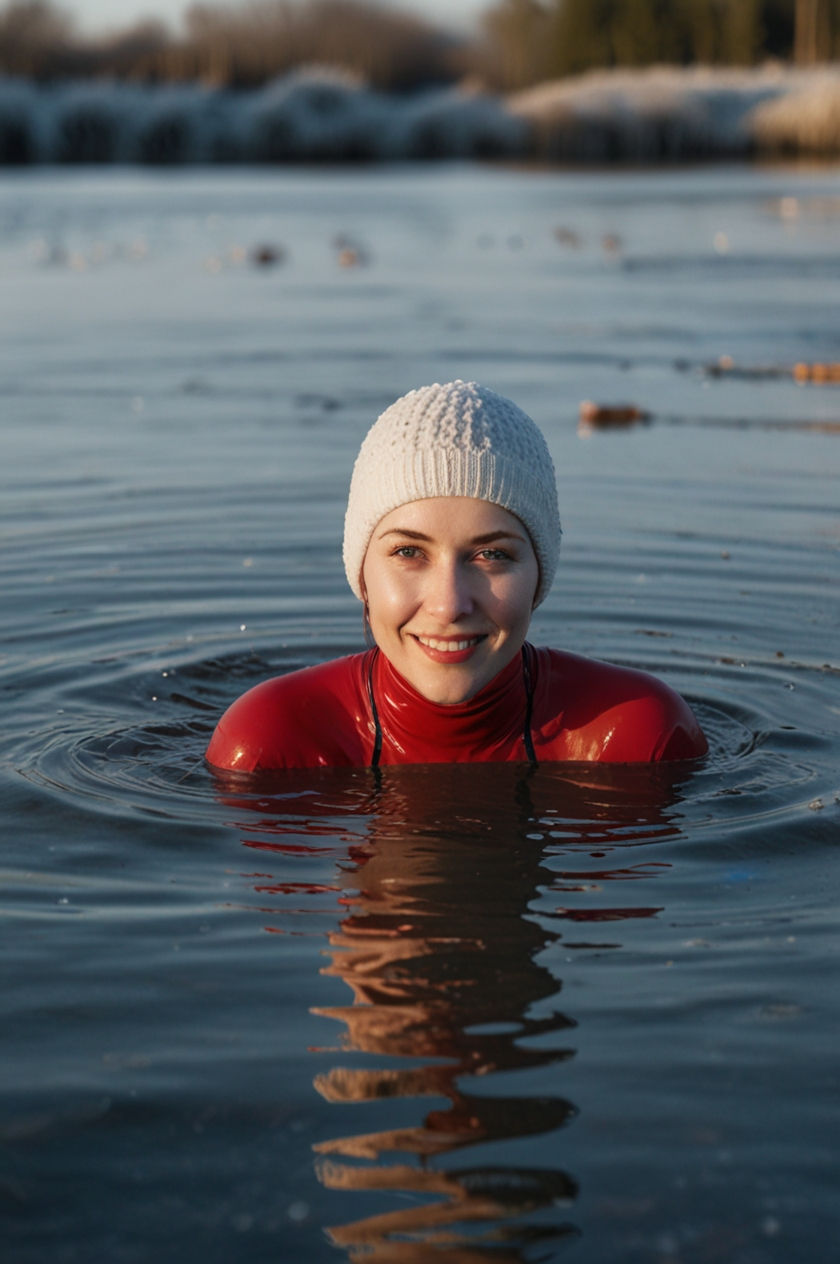
The Science-Backed Health Benefits of Cold Water Dipping and Swimming: A Journey of Transformation
Cold water has long been a polarizing element in human experience. For some, it’s a source of dread; for others, a sacred ritual. But beyond the initial shiver lies a world of transformative health benefits, validated by centuries of tradition and modern science. From boosting immunity to sharpening mental clarity, cold water dipping and swimming are more than just a test of endurance—they’re a pathway to vitality. In this blog post, we’ll dive deep into the science, stories, and strategies behind cold water therapy, revealing why more than 10,000 people in the UK alone take up winter swimming, and why you should too.

A Historical Prelude: Cold Water and Humanity
Long before modern labs, cultures worldwide embraced cold water as a tonic. The Finns practiced avanto, a ritual of plunging from a hot sauna into icy lakes, while the French turned to “hydrotherapy” for ailments as varied as arthritis to depression. Even Hippocrates, the father of medicine, prescribed cold baths for inflammation. But in the 21st century, cold water’s resurgence is not just cultural—it’s scientific.
“Cold water isn’t a punishment,” says Dr. Mike Tipton, a renowned physiologist at the University of Birmingham. “It’s a stimulus. Our bodies adapt in ways that improve resilience, efficiency, and even longevity.”
1. Cold Water and Cardiovascular Health: Nature’s Stress Test
When cold water hits your skin, your body reacts faster than you can say “hypothermia.” Blood vessels near the skin contract, diverting blood to vital organs—a survival mechanism from our evolutionary past. This rapid response gives your cardiovascular system a profound workout.
A 2016 study published in the European Journal of Applied Physiology found that regular cold water swimmers had 10% better endothelial function (the ability of blood vessels to dilate) compared to non-swimmers. This improvement is linked to reduced risk of hypertension and atherosclerosis.
Moreover, cold immersion increases heart rate and stroke volume (the amount of blood pumped per heartbeat), essentially training the heart to work smarter, not harder. Dr. Mervyn Singer, a critical care specialist, explains, “Cold exposure mimics the effects of aerobic exercise. Over time, it builds a stronger, more efficient cardiovascular system.”
How to harness this? Start with short dips (1–2 minutes) in cool-to-cold water (50–60°F) 2–3 times a week. The key is gradual adaptation.
2. Boosting the Immune System: From White Blood Cells to Winter Wellness
Colds, flu, and chronic inflammation—these are the villains of modern life. But could the answer lie in submerging yourself in the very thing you’d otherwise avoid?
Research published in PLOS ONE revealed that regular cold showers increased white blood cell count by up to 3,000%—a jump that could mean stronger defenses against infections. A 2014 Dutch study observed fewer sick days among participants who took a 30-second cold shower daily.
Cold also triggers the release of noradrenaline, a hormone and neurotransmitter that suppresses inflammatory responses. This could explain why winter swimmers report fewer symptoms of autoimmune conditions like rheumatoid arthritis.
“Cold exposure isn’t just about killing germs. It’s about teaching the body to modulate its immune response,” says Dr. Henning Wackerhage, a biologist studying muscle and metabolism.
Pro tip: Combine cold dips with regular exercise. The immune-boosting effects are synergistic.

3. Cold Water and Mental Health: The Neurochemical Edge
If you’ve ever felt invigorated after a cold plunge, you’re not alone. The immediate surge of endorphins, adrenaline, and dopamine acts like a natural antidepressant. This is why cold water therapy is gaining traction as a complement to treating anxiety and depression.
A 2018 study from Medical Hypotheses tracked 47 cold water swimmers and found a 55% reduction in self-reported depression symptoms after three months of weekly immersions. The mechanism? Cold shock triggers the vagus nerve, which connects the brain to the gut, reducing inflammation and promoting a sense of calm.
“I used to dread winter, but now it’s my favorite season,” says Sarah, a 34-year-old cold water swimmer from Maine. “After a swim, I feel like I’ve left behind all my stress.”
Science supports this: Cold exposure increases brain-derived neurotrophic factor (BDNF), a protein that fosters neural growth and protects against cognitive decline.
4. Cold Water, Metabolism, and Weight Management
If you’re after a way to burn calories without strenuous exercise, cold water might be your answer. When you’re submerged, your body works hard to stay warm, burning energy at a rapid pace. A 2022 study in The Journal of Obesity estimated that a 15-minute cold swim can burn 150–300 calories—more than walking.
But the real game-changer is brown fat activation. Unlike white fat (which stores calories), brown fat burns fat to generate heat. Cold exposure can boost brown fat activity by up to 400%, according to research in Nature. Over time, this could lead to modest but meaningful weight loss.
“Cold water is a metabolic booster,” says Dr. John Martin, an endocrinologist. “It turns your body into a calorie-burning furnace.”
For best results: End your routine with 30 seconds of cold air exposure post-dip. This maximizes brown fat activation.
5. Cellular Resilience: Autophagy and Longevity
Ever wondered how centenarians maintain their health? One overlooked factor is cold exposure. Cold stress activates autophagy, the cellular process by which the body clears damaged proteins and organelles. This “cellular spring cleaning” is linked to reduced risk of Alzheimer’s, Parkinson’s, and even cancer.
Japanese researchers found that regular cold exposure (as low as 60°F) increased autophagy markers by 25–50%, depending on duration. Over decades, this could add up to a significant longevity advantage.
“Cold water is like a cellular time machine,” says Dr. Rhonda Patrick, a biochemist. “It resets the biology of aging.”
Safety First: How to Start Safely
While the benefits are compelling, cold water isn’t for everyone. Here’s how to begin safely:
Acclimate Gradually: Start with cold showers (30 seconds to 1 minute) before moving to dips.
Buddy System: Never swim alone, especially in open water.
Pre-Immerse Warm-Up: Do 5–10 minutes of dynamic exercise to increase circulation.
Hydrate Post-Dip: Cold causes the body to lose fluids more rapidly.
Listen to Your Body: If you have heart disease or high blood pressure, consult a physician first.
The Cold Water Tribe: Community and Culture
Cold water swimming isn’t just a solo practice—it’s a growing global movement. From the icy lakes of Canada to the English Channel, communities are forming around shared plunges.
“I found my people in the cold,” says Tom, a 42-year-old regular at New York’s Chelsea Piers cold plunge pool. “There’s this unspoken camaraderie. We’re all survivors, united by the chill.”
These groups often cite the psychosocial benefits of cold water: building resilience, fostering connection, and normalizing conversations about mental health.

Take the Plunge
In an age of supplements and smoothie fads, cold water offers a reminder that nature itself is a pharmacy. From heart health to mental clarity, the science is clear: cold water is medicine. Yet, as Dr. Wackerhage emphasizes, “It’s not about self-punishment. It’s about self-awareness. The reward comes when you learn to embrace the cold.”
So the next time winter’s chill threatens to trap you indoors, remember: every dip is a step toward a stronger, healthier you. Wrap yourself in a towel, gather your courage, and take the plunge. Your body—and your mind—thank you for it.
Final thought from Wim Hof, the “Iceman”: “Cold is not the enemy. It’s the teacher. Listen to it, and it will teach you strength.”


Comments